The Habit That Supports Your Emotional Health
Taking care of your emotional health isn’t something that happens by accident. It doesn’t improve just because you hope it will. Emotional strength grows when you practice habits that support your mind, calm your nervous system, and help you feel grounded and steady. One of the most powerful habits — and one that many people overlook — is the simple practice of daily emotional check-ins.
A daily emotional check-in is exactly what it sounds like: taking a moment each day to ask yourself how you’re feeling, why you’re feeling that way, and what you need. It’s small. It’s simple. And it changes everything.
Most people move through their day without ever pausing to understand what’s happening inside them. They react, they push through, they suppress, or they ignore. But high emotional health doesn’t come from stuffing your feelings down. It comes from acknowledging them, exploring them, and caring for them.
This article walks you through why this habit matters, how to practice it, and how it can reshape your emotional life. By the end, you’ll understand exactly why this habit supports emotional health more than almost anything else — and how to make it part of your daily routine.

How a Daily Emotional Check-In Strengthens Your Emotional Health
1. It Helps You Understand What You’re Feeling Instead of Guessing
Most people struggle emotionally not because they feel too much — but because they don’t know what they’re feeling. When you don’t know what’s going on inside you, you can’t respond in a helpful way.
A daily check-in helps you pause long enough to ask:
- “What am I feeling right now?”
- “Where is this feeling coming from?”
- “What triggered this?”
- “Is this emotion coming from something happening now or something that happened earlier?”
This simple moment of clarity gives you control over your emotional world instead of letting your emotions control you.
2. It Prevents Emotional Overload Before It Builds Up
When emotions go unchecked, they pile up. Annoyance becomes frustration. Frustration becomes stress. Stress becomes overwhelm. And overwhelm becomes burnout.
A daily emotional check-in clears the pressure before it builds.
It’s like opening a release valve — you let out the tension, acknowledge what’s happening, and deal with emotions while they’re still small. This helps you stay calm, grounded, and emotionally steady.
3. It Helps You Recognize Patterns That Shape Your Mood
A daily check-in gives you insight into the patterns that influence your emotional health. Maybe you feel anxious every time you check your email. Maybe your mood drops after scrolling social media. Maybe you notice you feel peaceful after taking a walk.
Understanding these patterns allows you to make small changes that dramatically improve your emotional well-being.
4. It Helps You Respond to Your Emotions Instead of Reacting to Them
Reacting happens fast. Responding takes thought. When you check in with yourself daily, you build the skill of slowing down your emotional reactions.
You go from:
- snapping
to understanding - overthinking
to grounding - shutting down
to reflecting
A daily check-in gives you the ability to pause and respond with clarity instead of reacting with stress or overwhelm.
5. It Builds Self-Compassion — a Key to Emotional Health
It’s hard to be emotionally healthy if you’re constantly criticizing yourself. A daily check-in helps you speak to yourself with kindness instead of judgment.
You learn to say:
- “It’s okay that I feel this way.”
- “I’m allowed to have off days.”
- “My emotions matter.”
- “I deserve support.”
This habit builds emotional softness — not weakness, but understanding, empathy, and self-care.
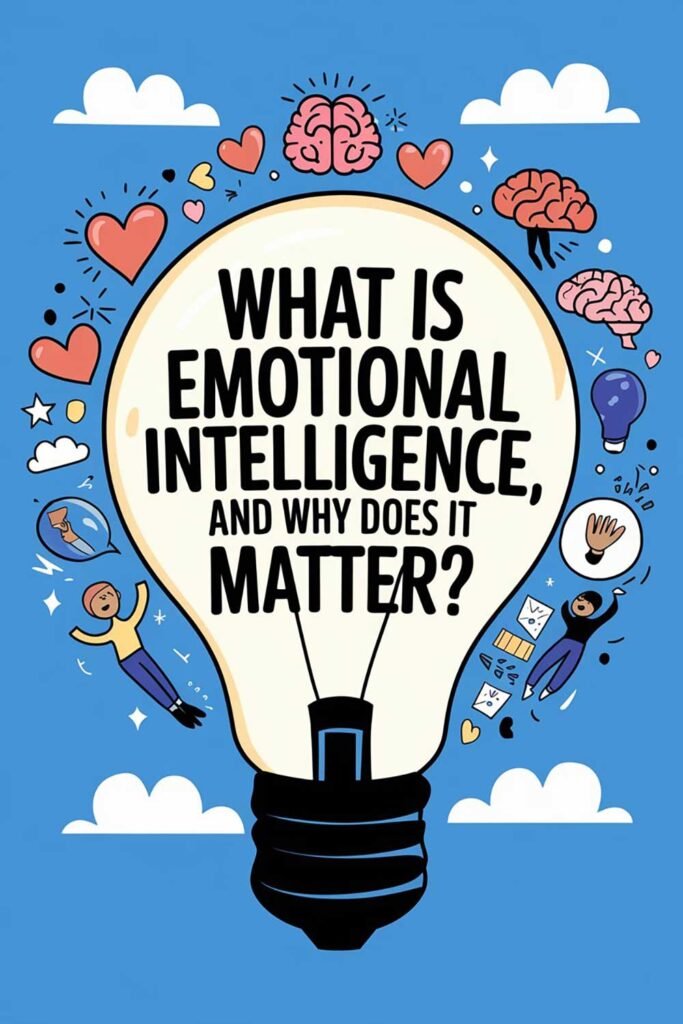
6. It Creates Emotional Awareness, the Foundation of Emotional Intelligence
Emotional intelligence starts with awareness.
When you regularly check in with your emotions, you become more connected to your internal world. You learn how different emotions feel in your body. You learn what triggers certain feelings. You learn which emotions need attention and which ones will pass.
This level of awareness helps you navigate stress, challenges, and relationships with more confidence and clarity.
7. It Helps You Care for Your Needs Instead of Ignoring Them
Your emotions are signals. They tell you something important about what you need.
A daily check-in helps you identify whether you need:
- rest
- space
- support
- connection
- clarity
- organization
- a break
- reassurance
- boundaries
When you meet your emotional needs consistently, you feel more grounded, stable, and emotionally supported.
8. It Makes Hard Emotions Feel Less Overwhelming
When you avoid emotions, they grow.
When you acknowledge them, they shrink.
A daily check-in helps you name your feelings — anger, sadness, fear, worry, disappointment, confusion, excitement, hope — and naming them reduces their intensity. It gives you emotional breathing room. Suddenly your feelings seem manageable instead of overpowering.
9. It Helps You Build Emotional Strength Over Time
Checking in daily builds emotional resilience — the ability to handle challenges, bounce back from stress, and stay grounded through difficult moments.
With time, this habit teaches you:
- how to stay calm
- how to process your feelings
- how to navigate conflict
- how to regulate your emotions
- how to identify what’s bothering you
- how to take care of your mental well-being
This becomes emotional strength you can rely on every day.
10. It Improves Your Relationships by Improving Your Self-Understanding
When you understand your emotional needs, you communicate better, set clearer boundaries, and become more present in your relationships.
A daily check-in makes you more emotionally aware, and this shows up in:
- healthier conversations
- less conflict
- more patience
- more understanding
- more empathy
When you take care of your emotional health, it strengthens every relationship around you.
20 Inspirational Quotes About Emotional Health
- “Emotional health begins with the courage to look inward.”
- “The more you understand your feelings, the less power they have over you.”
- “Checking in with yourself is an act of self-respect.”
- “Your emotions are messengers — listen when they speak.”
- “Awareness is the first step toward emotional freedom.”
- “You don’t have to control your emotions; you only need to understand them.”
- “Naming your feelings is the beginning of calming them.”
- “The strongest people are the ones who honor their emotions.”
- “Your emotional world matters as much as your physical world.”
- “Self-compassion is the foundation of emotional resilience.”
- “Small daily check-ins create big emotional shifts.”
- “You deserve to feel heard — even by yourself.”
- “Peace grows when you stop running from your feelings.”
- “Your emotions don’t define you; they guide you.”
- “Clarity begins when you pause long enough to notice.”
- “Every emotion you acknowledge becomes easier to carry.”
- “Emotional well-being is built one gentle moment at a time.”
- “Understanding yourself is an act of healing.”
- “Your inner world needs your attention, not your avoidance.”
- “When you honor your emotions, you honor yourself.”
Picture This
Imagine waking up tomorrow with emotional clarity instead of confusion. Picture yourself pausing for just a moment each day to check in with your feelings — and feeling a sense of calm wash over you. Imagine understanding what you need, why you feel the way you do, and how to support yourself through any moment life brings. See yourself moving through your day with more patience, more self-kindness, and more balance. This one small habit becomes a lifeline — a daily reminder that your emotions matter, your well-being matters, and you matter.
Please Share This Article
If this article helped you, please share it with someone who could benefit from a little extra emotional support today.
Disclaimer
This article is for informational purposes only. Results may vary. Always consult a professional, doctor, or licensed advisor before making lifestyle, mental health, or emotional wellness changes. The author and publisher disclaim responsibility for any outcomes based on this information.